Discover how AI course creators work and why academicos.co helps build smarter, faster, and scalable courses in 2026.
Table of Contents
Introduction: The Rise of AI in Course Creation
The landscape of education is undergoing a profound transformation, largely driven by the rapid advancements in artificial intelligence. We are witnessing the emergence of the AI course creator and AI course builder, tools that are fundamentally reshaping how learning content is designed, developed, and delivered. These innovative platforms are moving beyond traditional methods, offering unprecedented efficiency and personalization in creating educational experiences. The global AI in education market, valued at approximately $7.05 billion in 2025, is projected to reach an astounding $136.79 billion by 2035, indicating a robust compound annual growth rate (CAGR) of roughly 35%. This surge highlights the growing recognition of AI’s potential to revolutionize learning and development.
Understanding AI Course Authoring: Definition and Core Functionalities
What is AI course authoring?
At its core, AI course authoring refers to the use of artificial intelligence to automate and optimize the creation, structuring, and updating of digital learning content. This includes everything from e-learning courses and microlearning modules to employee onboarding resources and compliance training. Unlike conventional authoring tools that demand extensive manual input, AI-powered solutions can generate comprehensive, structured learning experiences from simple prompts, existing documents, or even raw subject matter expertise.
Key functionalities of an AI course creator typically include the following:
- Automated Content Generation: AI can draft lesson plans, learning objectives, quizzes, summaries, and entire course curricula based on specified topics, target audiences, and learning outcomes.
- Adaptive Learning Paths: These tools can analyze learner data, such as progress and performance, to dynamically adjust course content and provide personalized learning experiences.
- Multimedia Integration: AI can generate relevant images, audio narration, and even video content, making courses more engaging and catering to diverse learning styles.
- Assessment Creation: AI course builders can automatically produce a wide range of quiz questions, assignments, and even detailed rubrics, saving educators significant time.
- Language Translation: Natural Language Processing (NLP)-powered AI tools can instantly translate course materials, breaking down language barriers and making content accessible to a global audience.

Transforming Learning: Key Benefits of AI Course Builders
The adoption of AI course builder tools offers a multitude of benefits that are transforming the educational landscape:
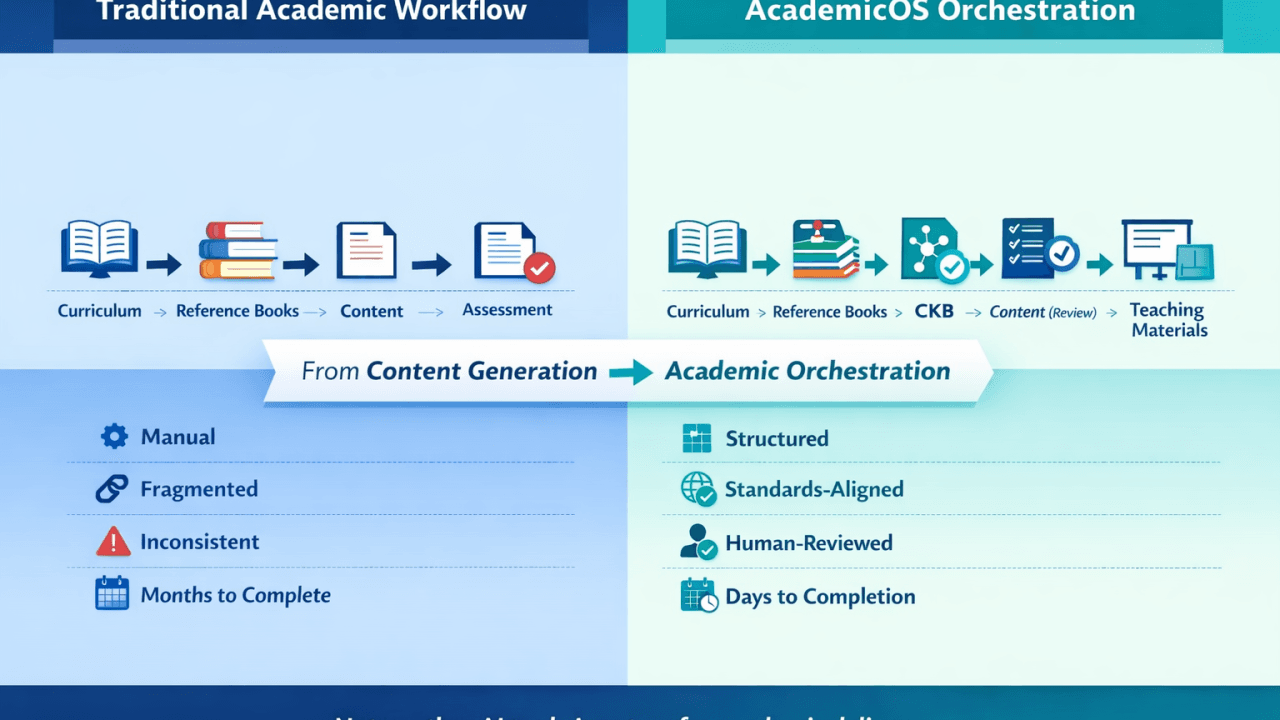
- Efficiency and Time Savings: AI drastically reduces the time and effort required for course development. While traditional course creation can take 60-80 hours per course, AI-powered solutions can reduce this to minutes, leading to up to 80% savings in time and budget. Teachers who use AI tools at least weekly save an average of 5.9 hours per week.
- Personalization and Engagement: AI can tailor content and learning paths to individual learner needs, preferences, and pace, leading to increased student engagement rates by up to 60% and learning efficiency by 57%. Students often feel more motivated in personalized AI learning environments.
- Scalability: Organizations can scale their learning programs without necessarily scaling their teams, making it easier to provide training to a larger audience.
- Cost-Effectiveness: By automating labor-intensive tasks, AI lowers the costs associated with course development.
- Democratization of Content Creation: AI course creators empower anyone within an organization, regardless of their technical or instructional design expertise, to document processes, create training materials, and share knowledge effectively.
Navigating the Landscape: Features, Challenges, and Best Practices
While the benefits are clear, we must also acknowledge the features, challenges, and best practices associated with AI course authoring.
Key Features to Look For:
When evaluating an AI course creator, consider tools that offer:
- Content generation from diverse sources: The ability to convert existing documents, videos, or web pages into structured course content.
- Automated assessment creation: Tools that produce quizzes, scenarios, or other verification methods without extensive manual writing.
- AI-powered practice: Features that provide interactive learning experiences like role-play or coaching scenarios that adapt to the learner.
- Integration capabilities: Seamless integration with Learning Management Systems (LMS) and other third-party tools for audio narration, translation, and AI-generated video.
Challenges and Ethical Considerations:
Despite the advantages, challenges remain:
- Data Privacy and Security: AI systems rely on vast amounts of data, raising concerns about protecting sensitive learner information. Compliance with regulations like GDPR and CCPA is crucial.
- Bias in Algorithms: AI can unintentionally reinforce biases present in its training datasets, potentially leading to skewed or unfair content.
- Quality Control: While AI is excellent at generating content, human oversight is essential to ensure factual accuracy, relevance, and overall quality. “Garbage in, garbage out” applies here.
- Inadequate Human Interaction: AI cannot fully replicate the nuanced understanding, empathy, and personalized support that human instructors provide, which can make learning feel less personal.

Best Practices for Using AI in Course Development:
To maximize the effectiveness of an AI course builder:
- Start with a Strong Foundation: Clearly define your target audience, learning objectives, and major topics before using AI.
- Keep the Human in the Loop: View AI as an assistant, not a replacement. Leverage AI for mundane tasks to free up human creativity for designing interactive assignments and real-world scenarios.
- Maintain Your Authentic Voice: Review and edit AI-generated content to ensure it reflects your unique perspective, teaching style, and expertise.
- Fact-Check Rigorously: Always verify the accuracy and currency of AI-generated content.
- Iterate with Feedback: Continuously monitor course performance and gather learner feedback to refine and improve the content.
- Invest in Training: Provide comprehensive training programs for educators on how to effectively use AI tools and integrate them strategically into course development.
Conclusion: The Synergy of AI and Human Intelligence in Education
The advent of the AI course creator marks a pivotal moment in education. These tools offer unparalleled opportunities to enhance efficiency, personalize learning, and scale educational content. However, their true power lies not in replacing human intelligence but in augmenting it. By embracing AI as a collaborative partner, educators and instructional designers can focus on their core strengths—creativity, critical thinking, and empathetic instruction—while AI handles repetitive and time-consuming tasks. The synergy of AI and human intelligence promises a future where education is more accessible, engaging, and tailored to the unique needs of every learner.
Ready to transform your course creation? Book a demo or start your free trial of academicos.co today and experience smarter,
Frequently Asked Questions (FAQ)
-
Can an AI course creator build an entire course?
Yes, modern AI course creators can generate complete, structured learning experiences, including outlines, content, assessments, and multimedia. However, human review and refinement are crucial for quality and personalization.
-
Is AI training on my content?
Many reputable AI authoring tools state that they do not train their models on your specific content, ensuring data privacy. Always check the platform’s terms of service.
-
How does AI improve course design?
AI applies learning-science best practices to ensure drafts follow proven instructional design principles, helps align content with learning outcomes, and can suggest content enhancements.
-
What types of AI course creators are there?
Broadly, there are document-to-training platforms, AI-enhanced authoring tools, and AI video generation platforms, each serving different primary use cases.
About the Author

CEO | Education & Tech Platforms | Institution Builder | AI for Learning & Governance | Driving Scalable Education Solutions